In a nutshell
The features and sound performance of the Sony MDR-RF895RK fits the bill when you compare these to the asking price of approximately 75 euros. If you find yourself leaning toward this model, you should definitely ask yourself whether or not you find it comfortable to wear, because depending on the width and size of the head, wearing comfort can vary wildly.
Affiliate links:
Prices marked with "*" are affiliate links. These advertising links help us finance our site. If you buy something through these links, we receive a small commission, but the price always stays the same for you. Thank you for your support!
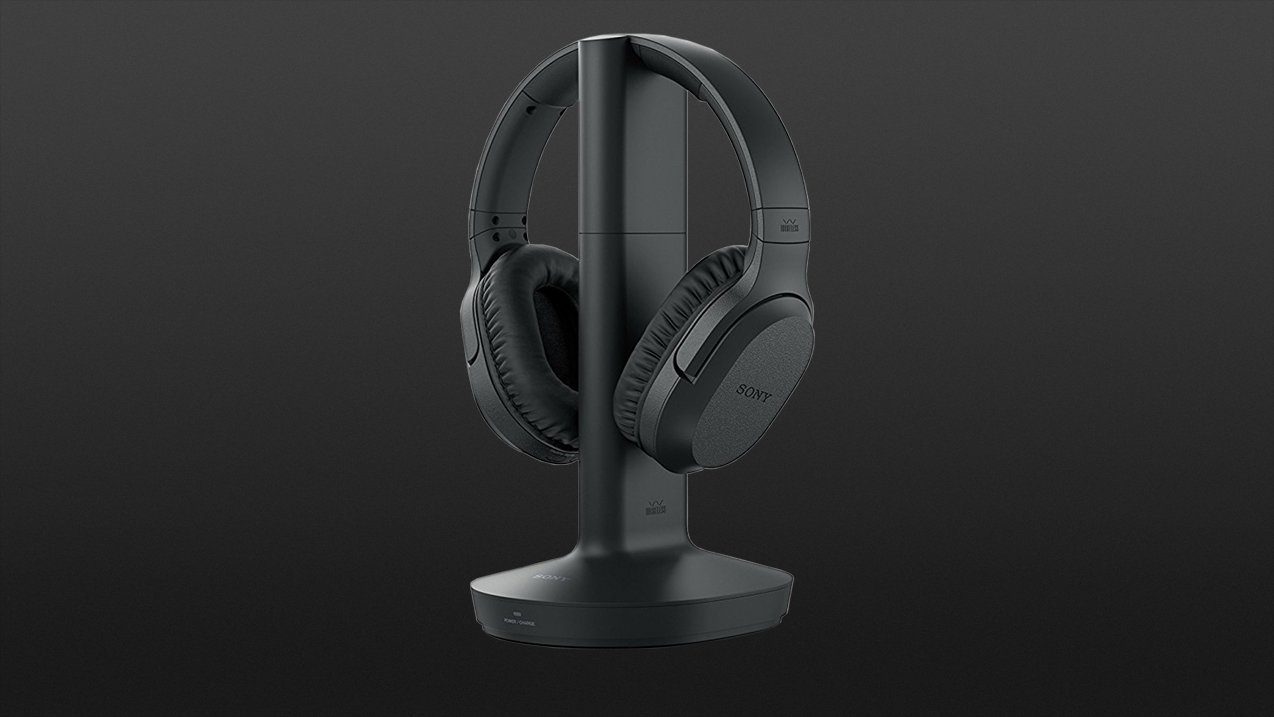
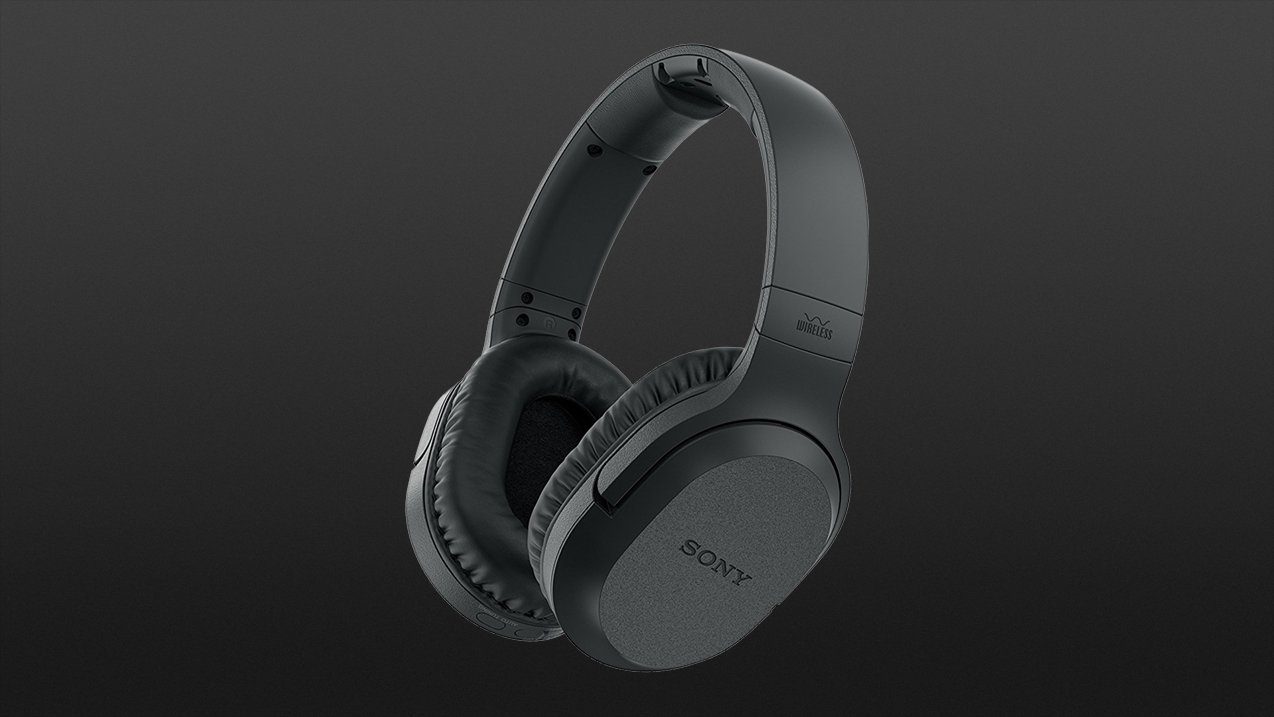
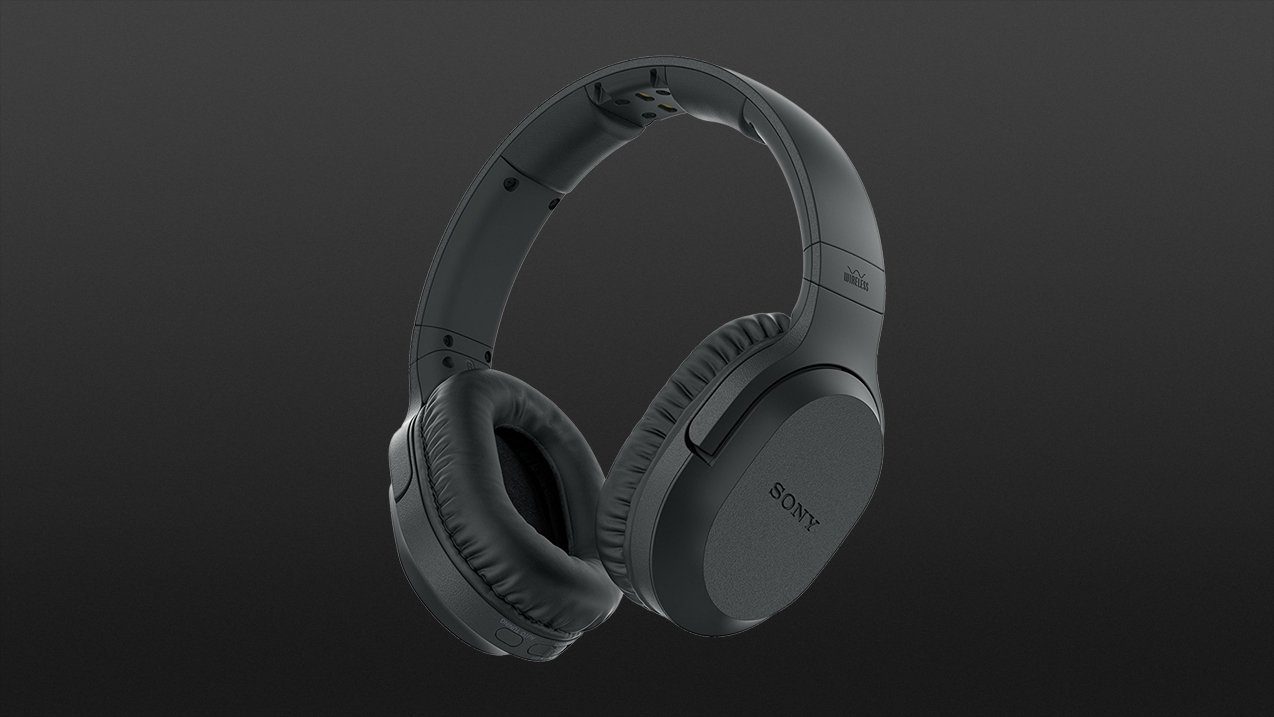
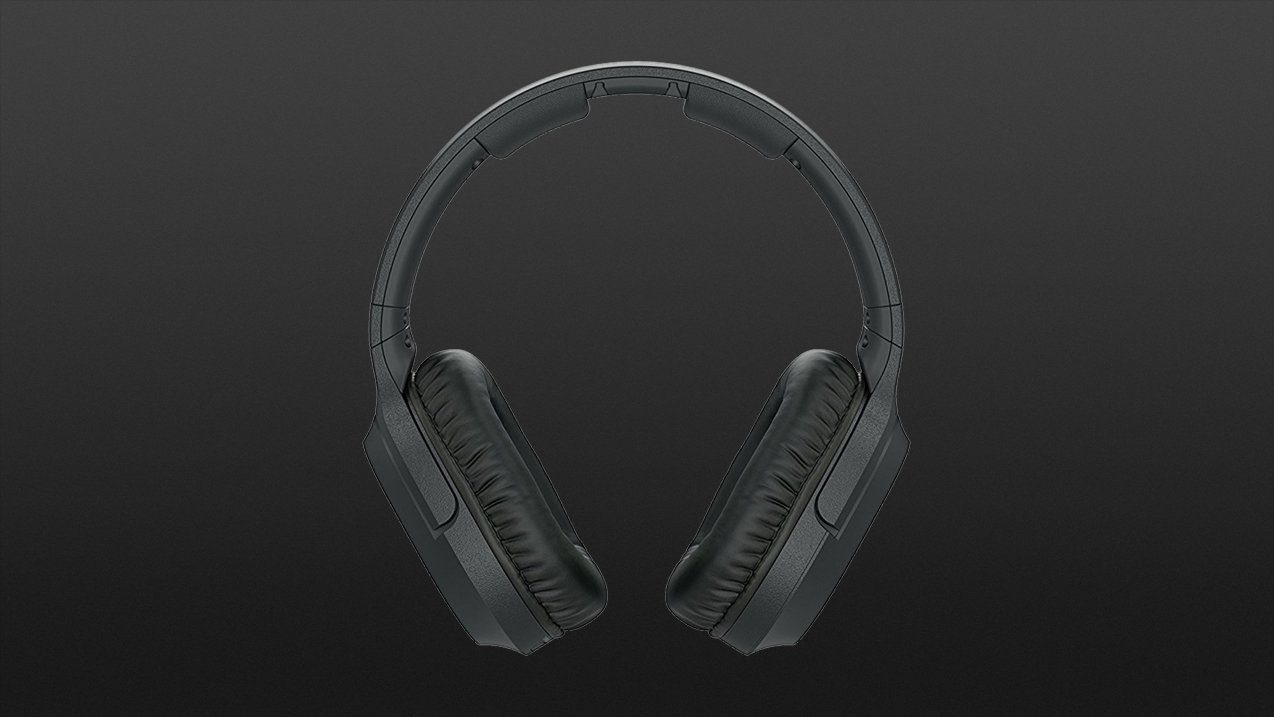
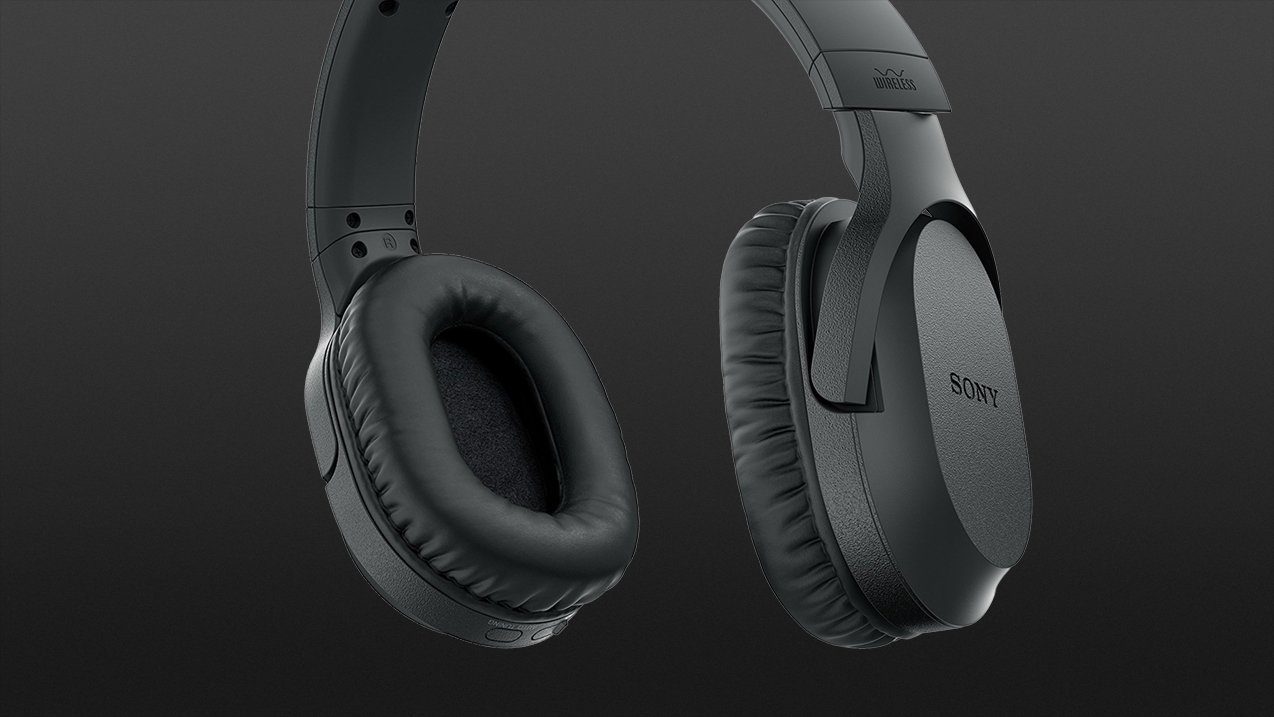
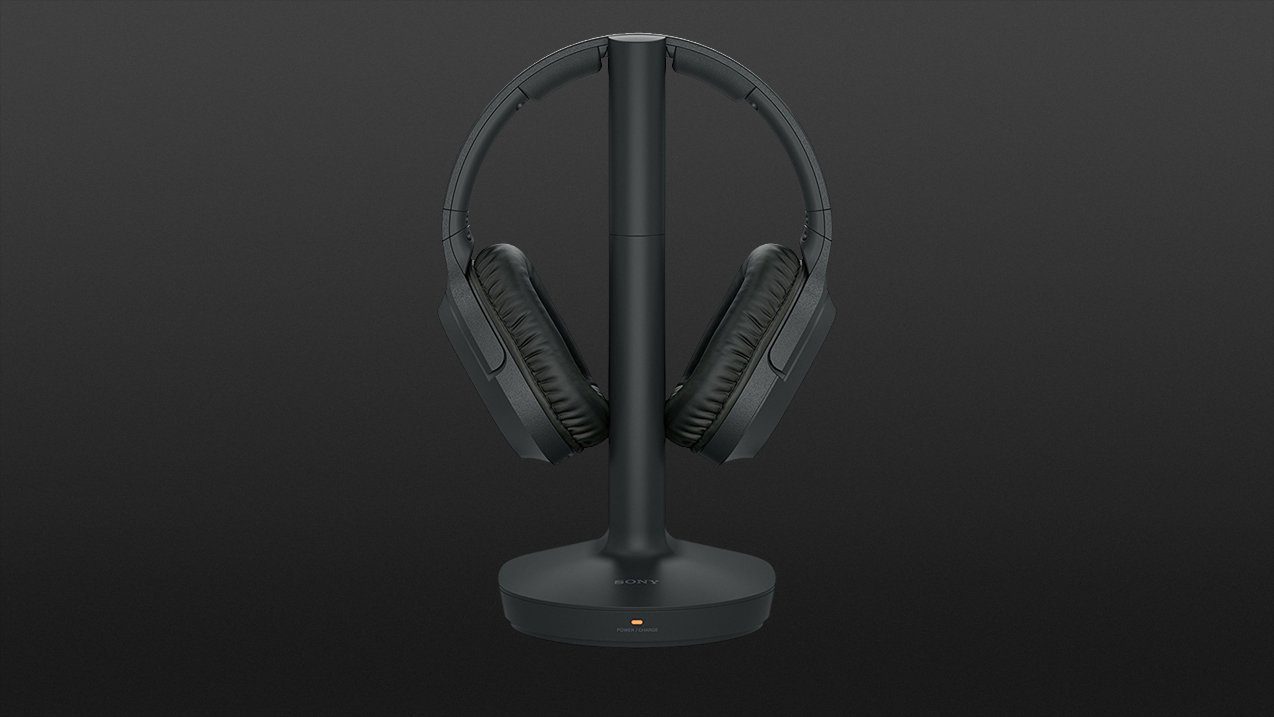
Above all else, those looking for wireless headphones to use with their television sets are searching for uninterrupted enjoyment of their media. With the MDR-RF895RK, Sony aims to guarantee just this. Do they deliver? Well, let’s run through the review.
Headphones with Base Unit
Headphones that didn’t utilise Bluetooth technology were the rule up until a few years ago. Now, however, they’re the exception. Typically, these types of wireless headphones always consist of two parts: the actual headphones, which have zero cabling, and the base station from which the headphones receive the transmission via radio waves. This base unit should be placed as close as possible to where you will be using the headphones all the while being connected to the signal source via cable. Typically, the connection will be made to a television set or a classic stereo system.
Start-Up Operation
In principle, the operation of the Sony MDR-RF895RK is self-explanatory. Unpack it, connect the hardware to the television with the mini jack cable, switch on and, after a brief synchronization, the headphones are ready to use. However, after opening the box, I was puzzled as to where to put the two battery packs. Unfortunately, there was no manual enclosed and the next steps weren’t immediately obvious to me. A little online research revealed that the left earpiece can be “opened” and there are slots within for the batteries. This user manual can be found readily online at the manufacturer website.
Home Only
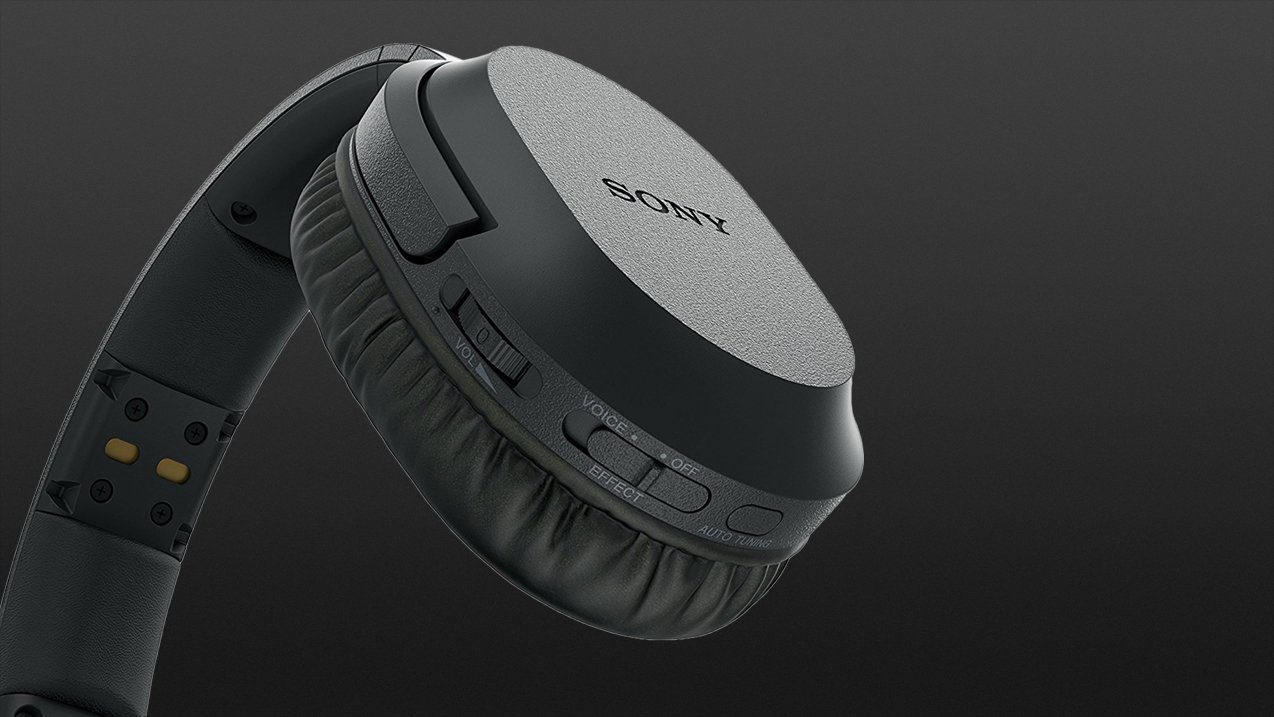
The range of these headphones is given by Sony at 100 metres. This will certainly only work as advertised if there are no barrier walls or range-reducing obstacles in the way. Compare this to typical Bluetooth headphones, however, and you should never really be situated more than 10 metres away from the sound source anyway. Therefore, this range seems significantly more than it needs to be. In my home, I could receive music from the upper floor of the house from a source located in the cellar without losing connection. The base station, which is connected to the sound source via analogue cable, makes it clear that the headphones are at home in the living room rather than on the go. The headphones contain two AAA batteries that can be easily recharged via the device on the receiver hardware. The charging time of up to 23 hours is considerable, but playback time of up to 20 hours more than compensates for this. The volume and voice mode can be set via controls on the headphones themselves, with the reception channel found on the receiver.
Wearing Comfort
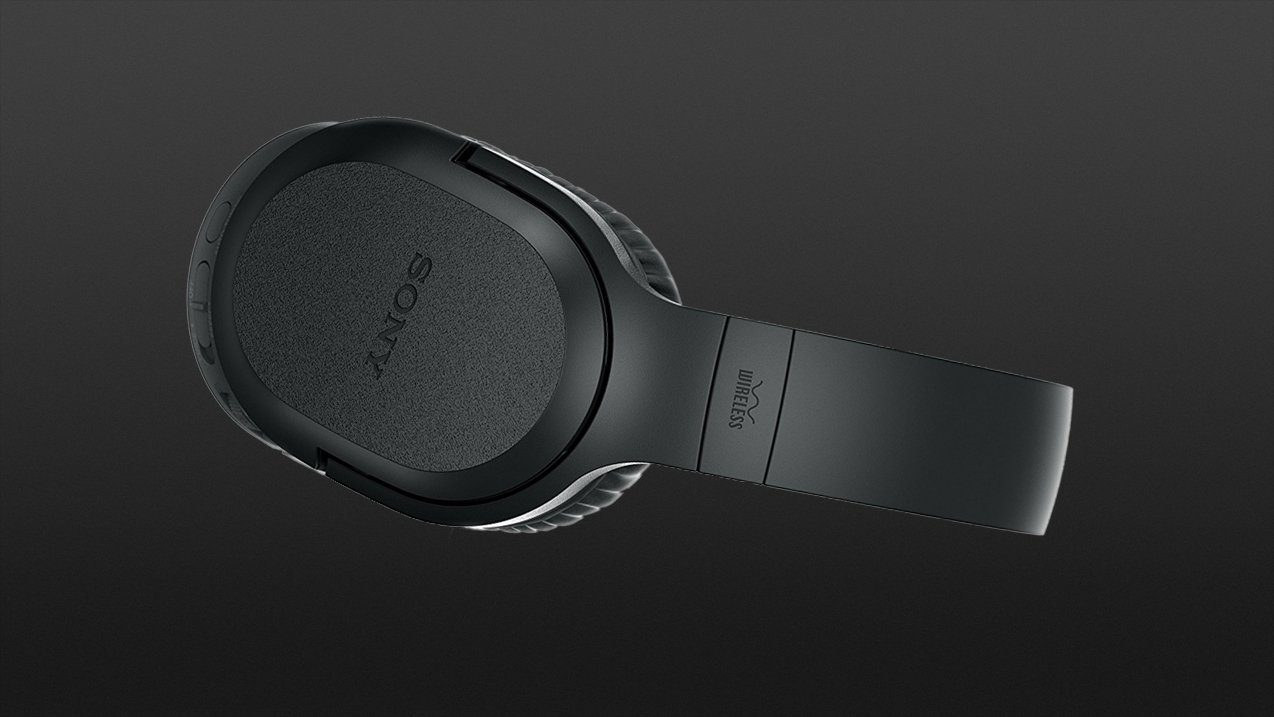
The MDR-RF895RK did not sit particularly comfortably, at least in my experience after a spell of 15 minutes. I had to remove the device and adjust it. The soft cushions, at least at first instance, were not able to maintain adequate pressure on the ears in the long run. That’s a shame because the target users for these headphones are typically people who want to listen to their media wirelessly over a presumably lengthy period time from the comfort of their sofa. Here, the head size is the decisive factor, so it’s highly recommended you try these out before buying.
Sound
The MDR-RF895RK deliver reasonable sound performance for a pair of headphones costing below the 100 euro, even if the overall sound impression lacks brilliance. On the other hand, the bass and mid-range are well represented. Unfortunately, I did notice some compression effects that were unpleasant on the ear, with blatant dynamic jumps and an unusual automatic adjustment of volume. I suspect this is due to the radio technology used in their components. The maximum achievable volume is very high and also helps users who suffer from hearing impairment. For this particular target group, there is also the “Voice” mode, which sees the sound image optimised for vocal reproduction.
Conclusion
Affiliate links:
Prices marked with "*" are affiliate links. These advertising links help us finance our site. If you buy something through these links, we receive a small commission, but the price always stays the same for you. Thank you for your support!
Share Post:


About the author:

From
Mark Ziebarth
Redakteur
Mark Ziebarth works as a composer, sound engineer and tech author in Hamburg / Germany. He writes for several journals and online portals, with his own company "advertunes" he mainly produces music for TV commercials, TV series and feature films. He is also into audio postproduction. Before that, he studied law and is a graduate in law.